

Diploma in Artificial Intelligence and Machine Learning (AI & ML)
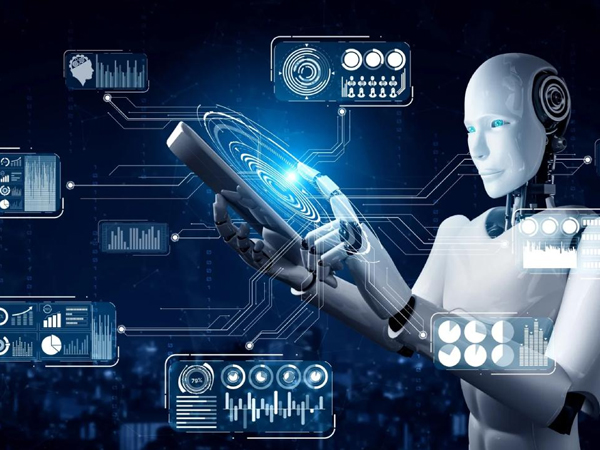
The Diploma in Artificial Intelligence and Machine Learning is a future-focused and innovation-driven department dedicated to providing quality education in intelligent systems, data-driven technologies, and advanced computing. The department aims to develop highly skilled professionals capable of designing intelligent solutions that address real-world problems across various domains.
The curriculum is designed in alignment with university and regulatory body guidelines, integrating strong theoretical foundations with extensive practical exposure. Emphasis is placed on emerging technologies, ethical AI practices, interdisciplinary learning, and continuous skill enhancement.
Vision
To be a centre of excellence in artificial intelligence and machine learning education, research, and innovation, producing globally competent professionals who contribute to technological advancement and societal transformation.
Mission
- To impart strong foundational and advanced knowledge in artificial intelligence, machine learning, and data science.
- To provide hands-on learning through laboratories, projects, internships, and industry collaboration.
- To promote innovation, research, and ethical application of intelligent technologies.
- To inculcate professional ethics, teamwork, leadership qualities, and lifelong learning.
Academic Programs
The Diploma in AI & ML offers a comprehensive program that prepares students for careers in intelligent systems development, data analytics, research, and higher education.
Key subjects include:
Laboratories and Facilities
The department is equipped with modern computing laboratories and advanced infrastructure, including:
These facilities enable students to gain hands-on experience in model development, data analysis, and deployment of intelligent applications.
Faculty Profile
The department is supported by a team of qualified, experienced, and dedicated faculty members with expertise in artificial intelligence, machine learning, data science, and related areas. Faculty members actively participate in research, publications, faculty development programs, and industry collaborations to stay abreast of technological advancements.
Teaching–Learning Practices
The department adopts innovative and learner-centric teaching–learning methodologies such as:
These practices ensure effective integration of theory and practical skills.
Industry Interaction and Training
The department maintains strong interaction with industry and research organizations through:
- Internships and industry-sponsored projects
- Guest lectures by AI and data science professionals
- Industry-oriented workshops and certification programs
- Collaboration with startups and technology companies
Such exposure enhances students' industry readiness and employability.
Student Development Activities
To support holistic development, the department encourages students to participate in:
- Hackathons, coding challenges, and AI competitions
- Technical symposiums, seminars, and workshops
- Research projects, paper presentations, and publications
- Soft skills, communication, and career guidance programs
Career Opportunities
Programme Educational Objectives (PEOs)
Programme Specific Outcomes (PSOs)
PSO1
Ability to design, develop, and evaluate machine learning and deep learning models for real-world applications.
PSO2
Ability to apply data analytics, computer vision, and natural language processing techniques to solve domain-specific problems.
Program Outcomes (POs)
PO1
Engineering Knowledge – Apply knowledge of mathematics, statistics, computer science, and AI fundamentals to solve complex engineering problems.PO2
Problem Analysis – Identify, formulate, and analyze problems using appropriate AI and ML methodologies.PO3
Design / Development of Solutions – Design and develop intelligent systems that meet specified requirements with ethical and societal considerations.PO4
Modern Tool Usage – Use modern programming languages, AI frameworks, and computing platforms effectively.PO5
Engineer and Society – Apply AI solutions considering legal, ethical, privacy, and societal responsibilities.PO6
Environment and Sustainability – Understand the impact of intelligent systems on society and promote sustainable practices.PO7
Ethics – Apply ethical principles and professional responsibilities in AI and ML applications.PO8
Individual and Team Work – Function effectively as an individual and as a member or leader of a multidisciplinary team.PO9
Communication – Communicate effectively through technical documentation, presentations, and discussions.PO10
Project Management and Finance – Apply engineering and management principles in AI project planning and execution.PO11
Life-long Learning – Recognize the need for and engage in lifelong learning to keep pace with rapid technological change.Conclusion
The Diploma in Artificial Intelligence and Machine Learning is committed to nurturing innovative, responsible, and industry-ready professionals. Through quality education, advanced infrastructure, and strong industry collaboration, the department strives to meet the growing global demand for AI and ML expertise.